



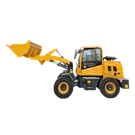
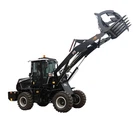
As a supplier of forklift loaders, I understand the importance of regular maintenance to ensure the optimal performance and longevity of these essential industrial machines. One crucial aspect of maintenance is checking the steering fluid. In this blog post, I'll guide you through the process of checking the steering fluid in a forklift loader.
Understanding the Role of Steering Fluid
Before delving into the checking process, it's essential to understand the role of steering fluid in a forklift loader. Steering fluid serves as a hydraulic medium in the steering system. It transfers the force from the steering wheel to the steering mechanism, allowing for smooth and effortless steering. Without an adequate amount of clean steering fluid, the steering system can become sluggish, difficult to operate, or even fail, posing a significant safety risk to the operator and those in the vicinity.
Pre - checking Preparations
- Safety First: Always park the forklift loader on a flat, stable surface. Engage the parking brake and turn off the engine. This will prevent any accidental movement during the fluid - checking process.
- Gather Tools: You'll need a clean rag to wipe the dipstick and the reservoir opening. Also, having a fluid funnel handy can be useful if you need to add fluid later.
Locating the Steering Fluid Reservoir
The location of the steering fluid reservoir can vary depending on the make and model of the forklift loader. In most cases, it is located near the steering column or the hydraulic pump. Refer to the operator's manual for your specific forklift. Here are some common models we supply:
- Motorized Pallet Forklift: This compact and efficient forklift is widely used in warehouses and factories. To find the steering fluid reservoir, first, open the cover near the steering area. You'll usually see a small plastic or metal container labeled with "Steering Fluid."
- 4 Ton 4 Meter Triple Mast Forklift Loader: For larger models like this, the reservoir is often located closer to the hydraulic components. It may be hidden under a protective shield. You'll need to remove the shield carefully to access the reservoir.
- 3 Ton 4 Meter Double Mast Forklift Loader: In this model, the reservoir is typically situated on the side of the forklift, near the front wheel area. It has a distinctive shape and is usually marked clearly.
Checking the Steering Fluid Level
- Clean the Reservoir Cap: Use a clean rag to wipe the reservoir cap and the area around it. This prevents dirt and debris from entering the reservoir when you remove the cap.
- Remove the Reservoir Cap: Unscrew the cap carefully. Some caps may have a dipstick attached to them. If so, it's an easy way to check the fluid level.
- Read the Dipstick: If there is a dipstick, pull it out and wipe it clean with a rag. Then, re - insert it fully into the reservoir without screwing the cap back on. Pull out the dipstick again and check the fluid level. Most dipsticks have markings indicating the minimum and maximum levels. The fluid level should be between these two markings. If the fluid is below the minimum level, it's time to add more fluid.
- Visual Inspection without a Dipstick: If there is no dipstick, look at the side of the reservoir. Many reservoirs are made of translucent plastic and have level markings on the side. Check if the fluid level is within the appropriate range.
Assessing the Condition of the Steering Fluid
- Color and Clarity: The steering fluid should be relatively clear and have a consistent color. Fresh steering fluid is usually a light amber or pinkish color. If the fluid appears dark, cloudy, or has a milky appearance, it may be contaminated. Contaminated fluid can cause damage to the steering system components over time.
- Debris and Particles: Look for any visible debris or particles in the fluid. If you see chunks, flakes, or sediment, it's a sign that the fluid needs to be changed.
Adding or Changing the Steering Fluid
- Adding Fluid: If the fluid level is low but the fluid condition is good, you can add the appropriate type of steering fluid. Refer to the operator's manual to determine the correct fluid specification. Use a funnel to pour the fluid slowly into the reservoir, checking the level frequently to avoid over - filling.
- Changing Fluid: If the fluid is contaminated or has reached the end of its service life, you'll need to change it. First, drain the old fluid from the reservoir. This can usually be done by opening a drain plug at the bottom of the reservoir. Once the old fluid is drained, clean the reservoir thoroughly. Then, refill it with the new steering fluid to the appropriate level.
Post - checking Steps
- Replace the Reservoir Cap: After adding or checking the fluid, securely screw the reservoir cap back on.
- Test the Steering: Start the engine and turn the steering wheel a few times to circulate the fluid. Make sure the steering feels smooth and responsive. If there are any unusual noises or the steering is still difficult to operate, further inspection may be required.
Importance of Regular Checks
Regularly checking the steering fluid in your forklift loader can prevent costly repairs and ensure the safety of your operators. By maintaining the proper fluid level and quality, you can extend the life of the steering system and keep your forklift running smoothly.
Contact for Purchase and Consultation
As a professional forklift loader supplier, we offer a wide range of high - quality forklift loaders, including the Motorized Pallet Forklift, 4 Ton 4 Meter Triple Mast Forklift Loader, and 3 Ton 4 Meter Double Mast Forklift Loader. If you are interested in our products or have any questions about forklift maintenance, feel free to contact us for more information and to discuss your procurement needs.


References
- Various forklift loader operator's manuals
- Hydraulic system maintenance guides