

Latest Products


Contact Us
- The southwest corner of Runcheng Street and Donghu Road, Sadin Holdings 2nd Industrial Park, Anqiu Economic Development Zone, Weifang City, Shandong Province.
- neallliu@gmail.com
- +86-536-4265938
Lapuda Industry Equipment (Shandong) Co., Ltd. (hereinafter referred to as Lapuda) is a high-end intelligent industry equipment enterprise approved by the National Development and Reform CCapabilityommission,Lapuda focuses on the research and development, manufacturing, distribution and after-market operations of special construction machinery. It is an important strategic core business of Sadin Holding Group. It is a major project in Shandong Province, a preferred project for new and a key city investment enterprise.with registered capital CNY 180 million, total area of 70 ha and building area of 140,000㎡.
Lapuda Industry has a high quality and stable industrial supply chain. We have set up good relationships with many famous suppliers, such as WEICHAI, CUMMINS, YUCHAI, YANMAR, KUBOTA, CARRARO, KAWASAKI, REXROTH, EATON,SHANTUI,Xuzhou Armour Rubber, etc.
Why choose us?
Professional team
Our professional team collaborate and communicate effectively with one another, and are committed to delivering high-quality results. They are capable of handling complex challenges and projects that require their specialized expertise and experience.
Competitive price
We offering a higher-quality product or service at an equivalent price. As a result we have a growing and loyal customer base.
Long warranty
We are confident in the quality of our products and are willing to provide you with long-term technical service support.
Rich experience
Dedicated to strict quality control and attentive customer service, our experienced staff is always available to discuss your requirements and ensure complete customer satisfaction.

 LE40 Crawler Excavator
This crawler excavator is equipped with an air-conditioned cab, which is very suitable for efficient work in complex terrain and cold environments!
Add to Inquiry Crawler Excavator With Cab
Strengthen the design of sealed cab and heating air conditioner to make crawler excavator with cab more resistant to severe cold, so you can stay warm while working.
Add to Inquiry 1.8 Ton Multifunctional Agriculture Small Excavator
The weight of 1.8 tons makes Small Crawler Excavator Excavation Machine more convenient for handling and moving, reducing transportation costs.
Add to Inquiry 0.8 Ton Small Household Excavator
LE08 0.8 ton small houesehold excavator is the smallest one in LPD excavator family.
Add to Inquiry 1 Ton Kubota Engine Mini Excavator
LE10 is 1 ton Kubota engine mini excavator in our LPD excavator family. It is widely used in household, garden, farm, public park and channel clean-out, etc.
Add to Inquiry Euro V Small Excavator Digger
LE 12 is a 1.2 ton Euro V small excavator digger in our LPD excavator family.
Add to Inquiry Small Crawler Excavator Excavation Machine
The excavation machine is equipped with Kubota engine, with side-swing digging arm and telescopic track.
Add to Inquiry Euro V Engine CE Mini Excavator
All the members in LAPUDA excavator family are approved by CE certificate. And EURO V engine is available for all the machines. All of the LPD series mini Excavator are popular in Europe.
Add to Inquiry Zero Tail Swing Mini Small Digger Excavator
Yanmar (EPA certified), Kubota (CE certified) and Changchai engines are optional to meet with the different demands to environmental protection and cost control.
Add to Inquiry Mini Indoor Crawler Excavator
If you need to perform excavation work in a narrow room, this product must be your best choice.
Add to Inquiry General Purpose Tractor
High return on investment. This product is priced low and has a fast return on investment. It can replace 6 or more adult shovels and a hand truck for earthwork.
Add to Inquiry
What is Crawler Excavator
A crawler excavator, also known as a track hoe, tracked excavator, or simply an excavator, is a heavy construction machinery and civil engineering mobile plant that digs, moves, lifts, and loads materials such as soil and rock. The term "crawler" refers to the continuous tracks, or caterpillar treads, that provide mobility and allow the machine to move over rough terrain.
Benefits of Crawler Excavator


Stability
The crawler undercarriage provides excellent stability, especially on rough or uneven terrain, allowing for secure operation.
Mobility
Crawler excavators can easily navigate through challenging environments, including mud, sand, and soft ground, thanks to their tracked undercarriage.
Versatility
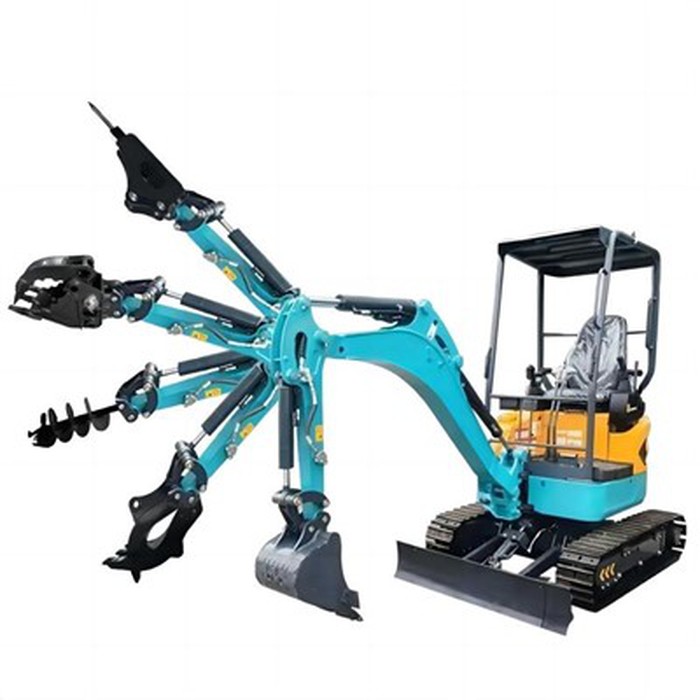
These excavators are versatile and can handle various attachments, such as buckets, grapples, and hydraulic breakers, making them suitable for a wide range of applications.
Digging power
Crawler excavators typically have robust digging capabilities, allowing for efficient excavation and material handling in construction projects.
360-Degree Rotation
The ability to rotate the upper part of the excavator 360 degrees provides flexibility in positioning and reaching different areas without having to reposition the entire machine.
Traction
The tracked undercarriage enhances traction, enabling crawler excavators to work on slopes and slippery surfaces with reduced risk of slippage.
Durability
Crawler excavators are designed for durability and can withstand heavy-duty usage, making them reliable for demanding construction tasks.
Accessibility
The compact design of crawler excavators allows them to access confined spaces and work efficiently in areas with limited manoeuvring space.
Low ground pressure
The weight distribution over the tracks minimises ground pressure, reducing the impact on the ground and making them suitable for sensitive or soft surfaces.
Efficient operation
Equipped with advanced hydraulic systems and controls, crawler excavators offer precise and efficient operation, contributing to increased productivity on construction sites.
Types of Crawler Excavator
Standard crawler excavators
Standard crawler excavators typically feature a robust undercarriage with durable tracks, providing stability on various terrains. Their powerful hydraulic systems enable efficient digging, lifting, and dumping of materials. These machines often come with advanced control systems, ergonomic operator cabins, and a variety of bucket attachments for different applications. Some models may incorporate technology for fuel efficiency and emissions reduction, contributing to sustainable construction practices.
Mini crawler excavators
Mini crawler excavators are characterized by their compact size and manoeuvrability. They often boast a zero or reduced tail swing design, allowing them to operate in confined spaces without causing damage to surroundings. Despite their smaller stature, mini excavators offer impressive digging depths and are equipped with user-friendly controls in a comfortable operator cabin. Attachments like hydraulic hammers or augers enhance their versatility for tasks ranging from digging trenches to landscaping.
Long reach crawler excavators
Long reach crawler excavators are equipped with extended booms and arms, providing a significantly increased reach. This feature is particularly beneficial for applications requiring deep excavation or reaching over obstacles. These machines often have reinforced structures to handle the additional stresses of extended reach work. Some models offer adjustable booms to optimize reach for specific tasks, contributing to their flexibility in various construction and environmental projects.
Amphibious crawler excavators
Amphibious crawler excavators are designed with specialized undercarriages featuring pontoons, allowing them to float and move through shallow waters. These machines may have extendable pontoons for stability during operation. The amphibious design often includes additional seals and protective measures to prevent water ingress, enabling these excavators to function seamlessly in wetland environments. Attachments such as long-reach arms or specialized buckets enhance their adaptability.
Dragline crawler excavators
Dragline crawler excavators are massive machines with a suspended bucket connected by a cable. They feature a rotating cab for optimal visibility and precise control. The bucket size of dragline excavators is customizable to suit specific mining or excavation requirements. These machines often incorporate advanced monitoring and automation systems to optimize digging efficiency and minimize downtime, contributing to their effectiveness in large-scale mining operations.
Wheeled crawler excavators
Wheeled crawler excavators feature a mobile chassis with wheels, offering faster travel speeds compared to tracked counterparts. They often have a 360-degree rotating upper structure for enhanced manoeuvrability. These machines may come equipped with stabilizers for stationary digging tasks. The wheeled design makes them well-suited for urban construction projects, road maintenance, and tasks where frequent relocation is required.
Backhoe crawler excavators
Backhoe crawler excavators are equipped with a rear-mounted digging bucket and a front loader bucket, providing versatility for digging, trenching, and loading tasks. These machines typically have articulated steering for improved manoeuvrability. The operator cabins are designed for visibility, and controls may include advanced features such as pattern changers for convenient switching between operating modes. Backhoe attachments can include various buckets, thumbs, and couplers to adapt to different job requirements.
Swamp crawler excavators
Swamp crawler excavators feature wide tracks for enhanced flotation and stability in soft, marshy terrains. The undercarriage is designed to minimize ground pressure, reducing the risk of getting stuck in challenging conditions. These machines often incorporate additional cooling systems to prevent overheating in swampy environments. The operator cabins are equipped with features for comfort and visibility, making them suitable for extended operation in challenging terrains.
Trenching crawler excavators
Trenching crawler excavators are specialized for creating trenches with precision. They often have a design that allows for narrow and deep trenching, crucial for utilities and infrastructure projects. These machines may feature advanced trenching attachments with adjustable widths. Operator controls are optimized for precise digging, and some models include telematics systems for monitoring trenching performance and machine health.
High reach crawler excavators
High reach crawler excavators are designed with extended booms and demolition attachments for reaching elevated structures. The reinforced structure enables safe operation at greater heights. Operator cabins are often equipped with advanced control interfaces for precise maneuvering during demolition tasks. Some high reach excavators feature variable boom configurations, allowing operators to adjust reach based on the specific requirements of the demolition project. Safety features, such as overload protection systems, contribute to their effectiveness in demolishing tall structures.
Application of Crawler Excavator


Earthmoving and excavation
Crawler excavators are primarily employed for earthmoving tasks, including excavation and digging. They excel in digging trenches, foundations, and channels, providing essential groundwork for construction projects.
Construction of foundations
In the construction industry, crawler excavators play a vital role in preparing foundations for buildings, bridges, and other structures. Their precise digging capabilities ensure the excavation of accurate and well-defined foundation footprints.
Utility installation
Crawler excavators are used for installing utilities such as water pipes, sewer lines, and electrical conduits. Their versatility allows for precise digging and trenching, facilitating the installation of essential infrastructure components.
Landscaping and grading
Landscaping projects benefit from the precision and control offered by crawler excavators. They are utilized for shaping terrain, grading surfaces, and creating features like ponds or slopes in landscaping designs.
Demolition
Crawler excavators equipped with specialized attachments, such as hydraulic breakers or shears, are employed in demolition projects. They efficiently dismantle structures and remove debris, contributing to the clearing of old or obsolete buildings.
Mining operations
In mining, particularly open-pit mining, large crawler excavators with significant digging capacities are essential. They remove overburden and extract minerals, playing a crucial role in the extraction process.
Dredging and water management
Long reach and amphibious crawler excavators are employed in dredging projects to remove sediments from water bodies. Additionally, amphibious excavators are used for tasks like riverbank maintenance and waterway construction.
Environmental remediation
Crawler excavators are utilized in environmental projects, including the cleanup of contaminated sites. Their precision in excavation allows for the removal of polluted soil or materials, contributing to environmental remediation efforts.
Road and infrastructure construction
Crawler excavators are integral in the construction of roads and infrastructure projects. They assist in tasks such as digging trenches for utility lines, excavating roadbeds, and shaping terrain to meet the specifications of road designs.
Urban development
In urban settings, where space is limited, mini excavators are commonly used for various construction tasks. Their compact size and maneuverability make them suitable for projects such as building renovations, landscaping in tight spaces, and utility work in urban environments.
Components of Crawler Excavator
Excavator tracks
The tracks of the excavator, typically made with steel-reinforced rubber, move the machine. Some excavators are wheeled but function similarly to those with tracks.
Track frame
The track frame is where the excavator tracks attach to the undercarriage, functioning similarly to axels.
Track pad
Track pads can help prevent excess noise, vibration and damage, as well as provide better traction during operation.
Track chains
Track chains are what allow an excavator to move efficiently. They function similarly to bicycle chains in that they’re made up of connected flexible links.
Track shoes
If you imagine the tracks of an excavator, the track shoes are the individual parts of the track that dig into the ground and pull the excavator along.
Track bolts
Track bolts link each track shoe together to form the entire track.
Rock guards
Rock guards are exactly what they sound like - they attach to the tracks of your excavator to protect the machine from debris and stray objects.
Sprockets
Sprockets are the mechanisms that run between the excavator track chain links. They behave like a giant bicycle sprocket, moving the chain along to propel the machine.
Rollers
Rollers are the metal wheels on an excavator undercarriage used to align the chains and move them between the sprocket and idler. There are two sets of rollers — bottom and top - to facilitate chain functionality.
Idlers
Bigger than rollers, idlers are large metal wheels within the undercarriage that help guide the excavator tracks. Idlers are the final mechanism that keep tracks running smoothly, along with the rollers and sprockets.
Main controls
This will vary depending on the machine, but this is your mission control of the excavator. This is where you’ll find the excavator’s basic controls, steering mechanisms, safety measures and more.
ROPS
ROPS stands for “rollover protective structure” and is an important safety feature. It’s meant to protect the operator in the event of a rollover.
Counterweight
The counterweight does exactly what the name implies - it counterbalances the excavator when digging, providing leverage and preventing the excavator from tipping.
Engine
The heart of the excavator, the engine is typically housed near the cab so it’s easy to access for maintenance. It’s typically powered by diesel fuel.
Hydraulic fluid tanks
As many excavators are controlled with hydraulic mechanisms, the tanks themselves are housed in the cab.
Fuel tank
Exactly what it sounds like, this is where the excavator’s fuel (as mentioned above, typically diesel) is stored.
Main control valve
The main control valve connects the engine and the hydraulic mechanisms, controlling oil pressure and powering hydraulic devices like the arm and boom.
Boom
The excavator boom is the front part that’s attached to the cab itself and holds the arm.
Arm
Sometimes referred to as the dipper or stick, the excavator arm is attached to the boom and holds the bucket. Together, the arm and boom can manipulate the bucket and get everything into position.
Bucket
The bucket is the digger on the end of the arm, responsible for all your earthmoving needs.
Cylinders
There are typically three types of cylinders on an excavator: boom, arm and bucket. The cylinders connect between each section and are responsible for articulating each. For example, the bucket cylinder connects between the arm and the bucket, and helps move the bucket back and forth.
Daily maintenance
Daily maintenance procedures follow a precise inspection checklist that includes a visual inspection with an excavator walkaround. During these steps, operators or skilled technicians check the machine for any external damages to the boom, undercarriage, and the operator’s cabin. Then, they check the engine coolant levels, search for any signs of oil leaks, and lubricate the heavily used mechanical parts.
Weekly maintenance
Every week, designated technicians inspect sprockets and other undercarriage parts to adjust the track tension. The operator conducts a longer visual inspection, and tests the excavator’s control panel, searching for any signs of malfunction and unusual noises.
Seasonal maintenance
Seasonal maintenance tasks are usually outsourced to certified technicians who take a closer look at the main components and study the state of an engine and the air filtering system. They follow a proper maintenance plan, cleaning or replacing air and fuel filters, and testing the cooling system to prevent overheating. In the end, all parts of the machine that are less affected by depreciation receive their long-awaited inspection: brake lights, windshield wipers, oil cooler, and the air conditioning system.
Unlike other large excavators that run on wheels, crawlers run on two large endless tracks and are optimal for mining and heavy-duty construction jobs. Also known as compact excavators, these excavators use hydraulic power mechanisms to lift heavy debris and soil.
Their chain wheel system allows them to slide down and scale hills with less risk, making them suitable for grading hilly areas and landscaping uneven terrain. While slower than other excavators, crawlers provide greater balance, flexibility and stability overall.
How to Choose the Right Crawler Excavator
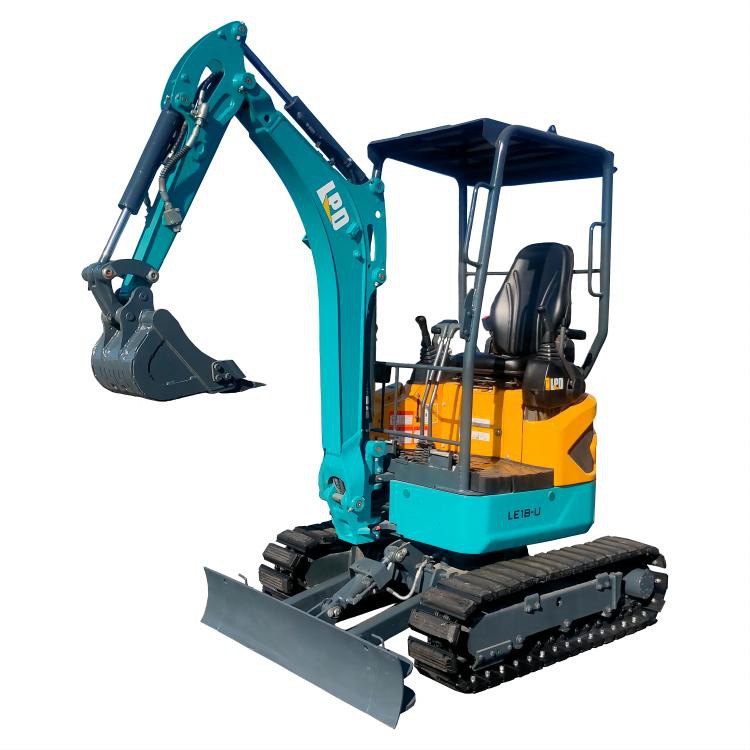
Accessing ground conditions is extremely important while selecting the type of excavator needed at the jobsite. Generally, crawler excavators work very well when used for excavating, grading, and site development. For these applications, they can be fitted with various attachments. Some crawler excavators are even designed with reduced-tail-swing configurations which make them good for limited-space commercial or residential jobsites or new road and bridge construction projects. If the ground condition is loose or slurry, you should definitely select a long crawler excavator with a wider track shoe configuration for higher adaptability.
This is another important factor to be considered before selecting any heavy equipment like a crawler excavator. Generally, crawler excavators are the best for heavy-duty digging and lifting applications as they can maintain great contact with the ground due to their tracked undercarriage, thereby, creating a stable machine (as against the wheel excavators that depend on their tires, a dozer blade, and outriggers for their stability). In fact, the tracks of the crawler excavator offer excellent traction and a good mass distribution over their entire contact surface.
Crawler excavators as against wheel excavators do not have wheels and hence, cannot be transported easily by road. So, if you need to move your crawler excavator between various jobsites, then you need to account for its transportation cost before only. In fact, for transportation, the crawler excavators need to be matched to appropriate-sized trailers. Thus, the transportation cost associated with a crawler excavator is high as compared to wheel excavators. However, in cases of usage of crawler excavator in mining or quarries, the equipment need not be moved as it will be needed at one location only for entire of its life. That said, typically crawler excavators are used when you don’t have to move the equipment too much in uneven areas or on soft ground. Further, the travel speed of a crawler excavator does not exceed 6km/h, so they are used for applications where the excavator does not have to travel frequently over significant distances.
Before making the purchase decision, you should also consider the ability of the crawler excavator to be paired with a variety of attachments as this can help you to perform different tasks at the jobsite. Various common attachments for crawler excavator include hydraulic breaker for demolishing existing structures and concrete or asphalt, grapple for land clearing, clamshell for material unloading, quick coupler for faster work tool change over, a trenching bucket to dig foundation footings or excavate for underground utilities, or a plate compactor to finish trenches.
As the crawler excavator’s are designed for use in rough and uneven tough underfoot conditions, their undercarriage consists of many moving components and wear items that need to be maintained for the machine to function properly. Hence, you should consider the maintenance cost of crawler excavator before making the purchase decision.
Certifications


Our Factory
Lapuda Industry Equipment (Shandong) Co., Ltd. (hereinafter referred to as Lapuda) is a high-end intelligent industry equipment enterprise approved by the National Development and Reform Commission with registered capital CNY 180 million, total area of 70 ha and building area of 140,000㎡.
Lapuda Industry has a strong team to research and design the power system, transmission system, hydraulic system and mechanical parts. Our R&D focuses on "specialization + differentiation + personalization " to provide customized integrated solutions to each customer.


FAQ
We're professional crawler excavator manufacturers and suppliers in China in China, specialized in providing high quality customized service. We warmly welcome you to buy crawler excavator for sale here from our factory. For price consultation, contact us.
diesel forklifter, snow sweeping machine, 4 ton forklift loader