


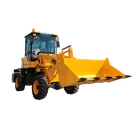
What is the role of the engine in a small loader?
As a supplier of small loaders, I've witnessed firsthand the pivotal role that engines play in these machines. Small loaders are indispensable in a variety of settings, from construction sites to farmyards, and their engines are the heart that powers their operations.
The Power Source for Mobility
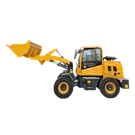
One of the primary roles of the engine in a small loader is to provide the power necessary for mobility. Whether it's a 2 Ton Compact Wheel Loader navigating a bustling construction site or a 0.8 Ton Farm Garden Wheel Loader moving around in a large garden, the engine is what enables the loader to get from one place to another.
A small loader's engine typically converts the chemical energy stored in fuel, usually diesel, into mechanical energy. This mechanical energy is then transferred to the wheels or tracks of the loader through a transmission system. The power output of the engine determines the loader's speed, acceleration, and towing capacity. For instance, a loader with a more powerful engine can move more quickly and effortlessly handle heavier loads, making it suitable for more demanding tasks.
Driving the Hydraulic System
In addition to powering mobility, the engine is also responsible for driving the hydraulic system of a small loader. The hydraulic system is crucial for the loader's functionality, as it enables the operation of the lifting, tilting, and steering mechanisms.
When the engine runs, it drives a hydraulic pump that pressurizes hydraulic fluid. This pressurized fluid is then directed to various hydraulic cylinders and motors, which convert the fluid's pressure into mechanical force. For example, the lifting arms of a small loader are powered by hydraulic cylinders. When the operator activates the controls, the pressurized hydraulic fluid fills the cylinders, causing the pistons to extend and lift the load.
The performance of the engine directly affects the efficiency and power of the hydraulic system. A more powerful engine can drive a larger hydraulic pump, which in turn can generate higher pressures and flow rates. This allows the loader to lift heavier loads more quickly and perform other hydraulic functions more efficiently.
Supporting Auxiliary Equipment
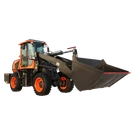
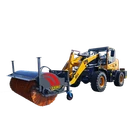
Small loaders often come equipped with a variety of auxiliary equipment, such as buckets, forks, and sweepers. The engine provides the power needed to operate these attachments.
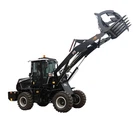
For example, in a loader with a hydraulic thumb attachment, the engine-driven hydraulic system powers the movement of the thumb, allowing it to grasp and manipulate objects. Similarly, a loader with a snow blower attachment relies on the engine to drive the blower mechanism, enabling it to clear snow effectively.
The ability to power auxiliary equipment makes small loaders highly versatile machines. They can be easily adapted to different tasks by simply changing the attachments, and the engine ensures that these attachments can operate at their full potential.
Ensuring Reliability and Durability
The engine's reliability and durability are essential for the overall performance of a small loader. In demanding work environments, such as construction sites and farms, a loader needs to be able to operate continuously for long periods without breakdowns.
A well-designed and properly maintained engine can significantly enhance the loader's reliability. Modern small loader engines are built with advanced technologies and high-quality components to ensure long service life. They are also designed to withstand harsh operating conditions, such as high temperatures, dust, and vibrations.
Regular maintenance, including oil changes, filter replacements, and tune-ups, is crucial for keeping the engine in good working condition. As a small loader supplier, we provide our customers with detailed maintenance instructions and offer support to ensure that their engines are properly cared for.
Fuel Efficiency and Environmental Considerations
In today's world, fuel efficiency and environmental impact are important considerations for small loader users. The engine plays a key role in both of these aspects.
A fuel-efficient engine can reduce the operating costs of a small loader. Modern engines are designed with advanced fuel injection systems and combustion technologies to maximize fuel efficiency. This not only saves money for the user but also reduces the consumption of fossil fuels.
In addition, environmental regulations are becoming increasingly strict, and small loader engines need to meet certain emission standards. Many new engines are equipped with emission control devices, such as diesel particulate filters and selective catalytic reduction systems, to reduce harmful emissions. As a supplier, we offer a range of small loaders with engines that comply with the latest environmental regulations.
Selecting the Right Engine for Your Small Loader
When choosing a small loader, it's important to consider the engine's specifications and performance. The power output of the engine should be matched to the intended use of the loader. For light-duty tasks, a smaller engine may be sufficient, while more heavy-duty applications require a more powerful engine.


Other factors to consider include fuel efficiency, emission levels, and maintenance requirements. It's also a good idea to choose an engine from a reputable manufacturer with a proven track record of reliability and quality.
As a small loader supplier, we have a team of experts who can help you select the right engine for your specific needs. We offer a wide range of small loaders with different engine options to meet the diverse requirements of our customers.
Conclusion
In conclusion, the engine is the most critical component of a small loader. It provides the power for mobility, drives the hydraulic system, supports auxiliary equipment, ensures reliability and durability, and affects fuel efficiency and environmental performance.
If you're in the market for a small loader, whether it's a Compact Wheel Loader or another type, we encourage you to contact us to discuss your requirements. Our team is ready to assist you in finding the perfect small loader with the right engine for your business. We look forward to the opportunity to work with you and help you enhance your productivity with our high-quality small loaders.
References
- Smith, J. (2022). The Basics of Small Loader Engines. Construction Equipment Journal.
- Johnson, A. (2023). Advancements in Small Loader Engine Technology. Agricultural Machinery Review.