


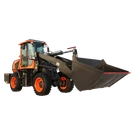
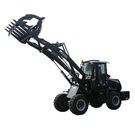
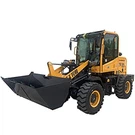
Training operators to use a wheel loader is no small feat, but as a wheel loader supplier, I've seen firsthand how crucial it is to get it right. In this blog, I'll share some tips and tricks on how to train operators effectively, so they can handle our machines like pros.
Understanding the Basics
Before you start training your operators, it's important to make sure they have a solid understanding of the basics. This includes things like the different parts of the wheel loader, how it works, and the safety procedures they need to follow.
One of the best ways to teach the basics is through a combination of classroom instruction and hands-on training. In the classroom, you can use diagrams, videos, and other visual aids to explain the different parts of the wheel loader and how they work. You can also go over the safety procedures and regulations that apply to operating a wheel loader.
Once your operators have a good understanding of the basics, it's time to move on to hands-on training. This is where they'll get to actually sit in the cab of the wheel loader and start operating it. Make sure you have a qualified instructor on hand to guide them through the process and answer any questions they may have.
Choosing the Right Training Method
There are several different training methods you can use to teach your operators how to use a wheel loader. The method you choose will depend on a variety of factors, including the experience level of your operators, the type of wheel loader you're using, and the specific tasks your operators will be performing.


One popular training method is on-the-job training. This involves having your operators work alongside experienced operators to learn the ropes. On-the-job training is a great way to give your operators real-world experience and allow them to learn at their own pace.
Another option is to use a simulator. A wheel loader simulator is a computerized training device that mimics the operation of a real wheel loader. Simulators are a great way to teach your operators the basics of operating a wheel loader in a safe and controlled environment. They also allow you to practice specific tasks and scenarios without the risk of damaging the machine or causing an accident.
You can also consider sending your operators to a training school or course. There are many training schools and courses available that specialize in teaching operators how to use wheel loaders. These courses typically offer a combination of classroom instruction and hands-on training, and they can be a great way to give your operators a comprehensive education in wheel loader operation.
Training on Specific Tasks
Once your operators have a good understanding of the basics of operating a wheel loader, it's time to start training them on specific tasks. This could include things like loading and unloading materials, grading and leveling surfaces, and operating attachments.
When training your operators on specific tasks, it's important to break the task down into smaller, more manageable steps. This will make it easier for your operators to understand and follow the instructions. You should also provide your operators with plenty of opportunities to practice the task until they feel comfortable and confident.
For example, if you're training your operators on how to load and unload materials, you might start by teaching them how to position the wheel loader correctly in front of the pile of materials. Then, you can teach them how to use the bucket to scoop up the materials and how to lift and dump the materials into the truck or other container. Finally, you can have them practice the entire process from start to finish until they feel comfortable and confident.
Safety Training
Safety should always be your top priority when training operators to use a wheel loader. Make sure your operators understand the importance of following safety procedures and regulations at all times. This includes things like wearing the appropriate safety gear, such as hard hats, safety glasses, and steel-toed boots, and following the proper procedures for starting, stopping, and operating the wheel loader.
You should also provide your operators with regular safety training and refresher courses to keep them up-to-date on the latest safety procedures and regulations. This could include things like fire safety, emergency evacuation procedures, and how to handle hazardous materials.
Training on Different Models of Wheel Loaders
As a wheel loader supplier, we offer a variety of different models of wheel loaders, each with its own unique features and capabilities. When training your operators, it's important to make sure they're familiar with the specific model of wheel loader they'll be using.
This could include things like the controls and instrumentation on the machine, the different operating modes, and the maintenance requirements. You should also provide your operators with training on any attachments or accessories that are specific to the model of wheel loader they'll be using.
For example, if you're training your operators on the LZ968D Model Large Size Wheel Loader, you might want to focus on the machine's large capacity bucket, its powerful engine, and its advanced hydraulic system. If you're training them on the Heavy Duty Wheel Loader, you might want to focus on the machine's heavy-duty construction, its high lifting capacity, and its ability to handle tough terrain. And if you're training them on the 908 Electronic Control Wheel Loader, you might want to focus on the machine's advanced electronic controls, its fuel-efficient engine, and its easy-to-use interface.
Ongoing Training and Support
Training your operators to use a wheel loader is not a one-time event. It's an ongoing process that requires regular training and support to keep your operators up-to-date on the latest techniques and technologies.
Make sure you provide your operators with regular opportunities to practice their skills and learn new things. This could include things like refresher courses, on-the-job training, and access to online resources and training materials.
You should also encourage your operators to ask questions and provide feedback. This will help you identify any areas where your operators may need additional training or support, and it will also help you improve your training program over time.
Conclusion
Training operators to use a wheel loader is a complex and challenging task, but it's also an essential one. By following the tips and tricks outlined in this blog, you can give your operators the skills and knowledge they need to operate our wheel loaders safely and effectively.
If you're interested in learning more about our wheel loaders or our training programs, please don't hesitate to contact us. We'd be happy to answer any questions you may have and to help you find the right solution for your needs.
References
- [Operator's Manual for Wheel Loaders](Publisher's Name, Publication Year)
- [Safety Guidelines for Wheel Loader Operation](Organization's Name, Publication Year)
- [Training Materials for Wheel Loader Operators](Author's Name, Publication Year)