


Stopping a small loader safely and effectively is crucial for both the operator's well - being and the longevity of the equipment. As a small loader supplier, I understand the importance of providing comprehensive guidance on this topic. In this blog, I'll share some key strategies and best practices on how to stop a small loader properly.

Understanding the Basics of Small Loaders
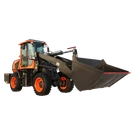
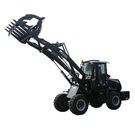
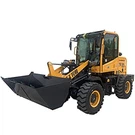
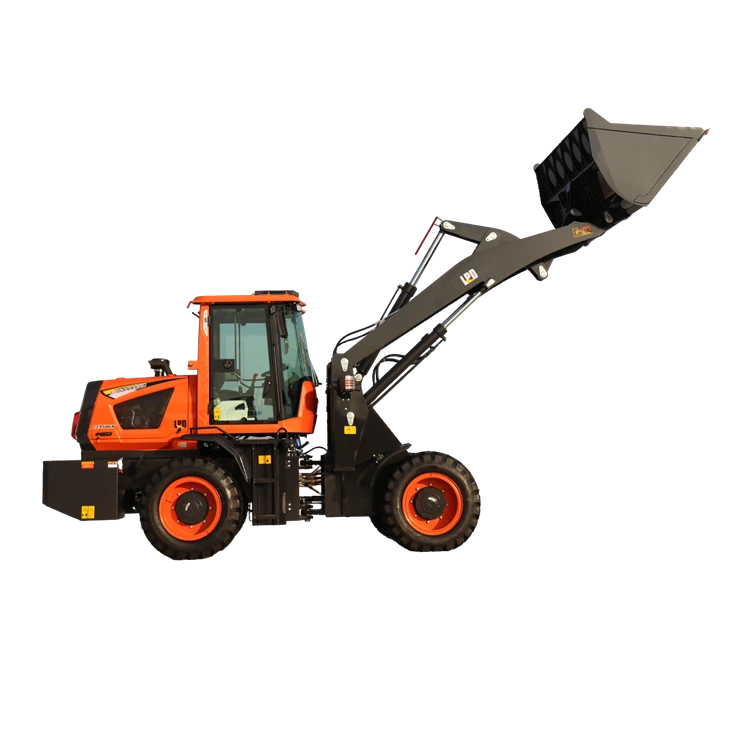
Before delving into the stopping procedures, it's essential to have a basic understanding of small loaders. Small loaders, such as the 2 Ton Compact Wheel Loader, 2.2 Ton Multifunctional Wheel Loader, and 1.2 Ton CE/EAC Wheel Loader are versatile machines used in various industries, including construction, agriculture, and landscaping. They are designed to handle light to medium - heavy loads and offer excellent maneuverability in tight spaces.
These loaders are typically powered by diesel engines and feature hydraulic systems for operating the loader arms and other attachments. The controls of a small loader usually include a steering wheel, pedals for acceleration and braking, and levers for controlling the loader's functions.
Pre - stopping Checks
Before coming to a stop, the operator should perform a series of pre - stopping checks to ensure a smooth and safe halt. First and foremost, assess the surrounding environment. Make sure there are no obstacles, pedestrians, or other potential hazards in the way. This is especially important in busy construction sites or areas with high foot traffic.
Next, look at the load. If the loader is carrying a load, ensure that it is properly balanced and secure. An unbalanced load can cause the loader to tip over during the stopping process, leading to serious accidents. Additionally, check the hydraulic controls to make sure the loader arms and attachments are in a stable position.
Proper Use of Brakes
The braking system is the primary means of stopping a small loader. There are two main types of brakes commonly used in small loaders: service brakes and parking brakes.
The service brakes are used for normal stopping operations while the loader is in motion. To stop the loader using the service brakes, the operator should gradually apply pressure to the brake pedal. This gradual application helps prevent sudden stops, which can cause the load to shift and potentially lead to a loss of control.
It's important to note that the brake system requires regular maintenance. This includes checking the brake fluid level, inspecting the brake pads or shoes for wear, and ensuring that the brake lines are free from leaks. A well - maintained brake system is essential for reliable stopping performance.
The parking brake, on the other hand, is used to keep the loader stationary when it is parked. After coming to a complete stop using the service brakes, engage the parking brake. The parking brake should be applied firmly to prevent the loader from rolling, especially on inclined surfaces.
Gear Selection and Engine Operation
In addition to using the brakes, proper gear selection and engine operation also play a role in stopping a small loader. When approaching a stop, the operator should downshift gradually. Downshifting helps to slow down the loader in a controlled manner and also reduces the strain on the brakes.
As the loader slows down, the engine speed should also be adjusted accordingly. If the engine is running too fast when the loader comes to a stop, it can cause unnecessary wear and tear on the engine components. The operator should gradually reduce the throttle to idle speed as the loader approaches a complete stop.
Stopping on Different Surfaces
The surface on which the loader is operating can significantly affect the stopping distance and the overall stopping process. On a smooth, dry surface, the stopping distance is generally shorter compared to a wet, slippery, or uneven surface.
When stopping on a wet or slippery surface, such as a rainy construction site or a muddy field, the operator should apply the brakes more gently to avoid skidding. It may also be necessary to increase the following distance to other objects or vehicles to allow for a longer stopping distance.
On an uneven surface, the operator needs to be extra cautious. Uneven ground can cause the loader to bounce or sway during the stopping process, which can affect the stability of the load. In such cases, it's important to slow down gradually and keep the loader as level as possible.
Emergency Stopping Procedures
Despite taking all the necessary precautions, there may be situations where an emergency stop is required. In the event of an emergency, the operator should immediately apply the service brakes firmly. If the service brakes fail, the operator can try using the parking brake as a last resort. However, this should be done with caution as applying the parking brake while the loader is in motion can cause the wheels to lock up and lead to a loss of control.
It's also a good idea to know the location of the emergency stop button (if available) on the loader. Pressing this button can shut down the engine and hydraulic systems immediately in case of a serious emergency.
Training and Operator Responsibility
Proper training is vital for operators to know how to stop a small loader safely. As a small loader supplier, we always recommend that operators undergo comprehensive training programs that cover all aspects of loader operation, including stopping procedures.
Operators should also take responsibility for their actions. They should follow all safety guidelines and regulations and be alert at all times while operating the loader. Regular safety meetings and refresher courses can help reinforce good operating practices and keep operators updated on the latest safety information.
Conclusion
Stopping a small loader involves a combination of proper use of brakes, gear selection, engine operation, and awareness of the surrounding environment. By following the strategies and best practices outlined in this blog, operators can ensure a safe and efficient stopping process.
If you're in the market for a high - quality small loader or have any questions about their operation and safety, feel free to reach out to us. We're here to assist you with all your small loader needs and can provide further guidance on how to operate and maintain these versatile machines. Contact us today to start the procurement process and discuss your specific requirements.
References
Smith, J. (2022). Construction Equipment Operation Handbook. ABC Publishing.
Doe, A. (2021). Safety Guidelines for Small Loaders. DEF Safety Institute.