


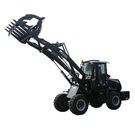
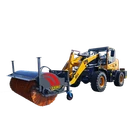


Hey there! If you're looking to start using a small loader, you've come to the right place. I'm a supplier of small loaders, and I've seen firsthand how these machines can make a big difference in various industries. In this blog, I'll share some tips on how to start a small loader and introduce you to some of the great models we offer.
Understanding Your Needs
Before you start a small loader, it's crucial to understand what you need it for. Small loaders are versatile machines, but different models are better suited for different tasks. For example, if you're working in a greenhouse, a compact and maneuverable loader would be ideal. On the other hand, if you're dealing with heavier loads on a construction site, a more powerful loader might be necessary.


Think about the type of materials you'll be handling, the working environment, and the frequency of use. This will help you choose the right small loader for your specific requirements.
Choosing the Right Small Loader
As a small loader supplier, I can tell you that we have a wide range of options to choose from. Here are some of our popular models:
- 1.2 Ton CE/EAC Wheel Loader: This loader is great for light to medium-duty tasks. It's equipped with the necessary certifications (CE/EAC), which means it meets international safety and quality standards. It's relatively compact, making it easy to operate in tight spaces.
- 1.6 Ton CE Diesel Wheel Loader: If you need a bit more power, this 1.6-ton diesel wheel loader is a solid choice. The diesel engine provides reliable performance, and the CE certification ensures its compliance with European safety regulations.
- 1 Ton Greenhouse Wheel Loader: Specifically designed for greenhouse use, this loader is lightweight and maneuverable. It can easily navigate through narrow aisles and work in delicate environments without causing damage.
Pre - Start Checks
Once you've chosen the right small loader, it's time to start it up. But before you do, you need to perform some pre - start checks. These checks are essential for your safety and the proper functioning of the machine.
- Visual Inspection: Walk around the loader and check for any visible damage, such as cracks in the body, leaks in the hydraulic system, or loose parts. Make sure all the lights are working properly, and the tires are properly inflated.
- Fluid Levels: Check the engine oil, coolant, hydraulic fluid, and fuel levels. Low fluid levels can cause serious damage to the engine and other components. If any of the fluids are low, top them up before starting the loader.
- Controls and Instruments: Familiarize yourself with the controls and instruments on the loader. Make sure the steering, brakes, and other controls are functioning correctly. Check the gauges to ensure that all the systems are in normal operating range.
Starting the Small Loader
After completing the pre - start checks, you're ready to start the loader. Here's a general guide on how to do it:
- Enter the Cab: Make sure you're wearing the appropriate safety gear, such as a seatbelt. Sit comfortably in the cab and adjust the seat and controls to your liking.
- Turn on the Ignition: Insert the key into the ignition switch and turn it to the "On" position. Wait for a few seconds to allow the electrical system to initialize.
- Prime the Engine (if necessary): Some diesel engines may require priming. Follow the manufacturer's instructions on how to prime the engine properly.
- Start the Engine: Turn the key further to start the engine. If the engine doesn't start on the first try, wait a few seconds and try again. Don't keep cranking the engine for too long, as this can damage the starter motor.
- Warm Up the Engine: Once the engine is running, let it warm up for a few minutes. This allows the engine oil to circulate properly and the engine to reach its optimal operating temperature.
Operating the Small Loader
Now that the loader is running, it's time to start operating it. Here are some tips to keep in mind:
- Start Slowly: When you first start moving the loader, do it slowly. This gives you a chance to get a feel for the machine's handling and responsiveness.
- Use the Controls Properly: Familiarize yourself with the functions of each control. The steering wheel is used to turn the loader, the pedals control the speed and braking, and the hydraulic controls are used to operate the bucket or other attachments.
- Load and Unload Safely: When loading materials, make sure the bucket is at the correct angle and height. Don't overload the bucket, as this can affect the stability of the loader. When unloading, do it in a controlled manner to avoid spills.
- Be Aware of Your Surroundings: Always be aware of what's going on around you. Watch out for other workers, obstacles, and traffic. Use the loader's mirrors and backup alarms to help you stay safe.
Maintenance and Care
To keep your small loader running smoothly, regular maintenance is essential. Here are some maintenance tips:
- Follow the Maintenance Schedule: The manufacturer provides a maintenance schedule for the loader. Make sure you follow it carefully. This includes tasks such as oil changes, filter replacements, and inspections.
- Keep the Loader Clean: Regularly clean the loader to remove dirt, debris, and other contaminants. This helps prevent corrosion and damage to the components.
- Store the Loader Properly: When the loader is not in use, store it in a dry and secure place. Protect it from the elements to prevent rust and other damage.
Why Choose Our Small Loaders
As a small loader supplier, we take pride in offering high - quality machines. Our loaders are built with the latest technology and are designed to be reliable, efficient, and easy to operate. We also provide excellent customer service, including after - sales support and maintenance advice.
If you're in the market for a small loader, we'd love to hear from you. Whether you're a small business owner, a contractor, or a hobbyist, we have a loader that will meet your needs.
Contact Us for Purchase and Negotiation
If you're interested in purchasing a small loader or have any questions about our products, don't hesitate to reach out. We're here to help you find the perfect loader for your requirements and offer the best possible deal. Contact us today to start the negotiation process and take your business to the next level.
References
- Small Loader Operating Manuals
- Industry Standards for Small Loader Safety and Performance