

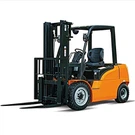

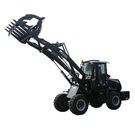
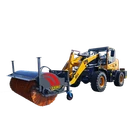

Hey there, fellow farmers and heavy - equipment enthusiasts! I'm part of a farm loader supplier team, and today, I'm gonna walk you through the process of replacing the tires of a farm loader. It's a task that might seem a bit daunting at first, but with the right steps and a bit of know - how, you'll be changing those tires like a pro in no time.
Why Tire Replacement Matters
Before we dive into the "how - to," let's talk about why tire replacement is so important for your farm loader. Tires are the only part of the loader that makes contact with the ground. They're responsible for providing traction, stability, and support for the entire machine. Worn - out or damaged tires can lead to reduced performance, increased fuel consumption, and even safety hazards. So, keeping your tires in good condition is crucial for the efficient and safe operation of your farm loader.
Tools and Materials You'll Need
First things first, you'll need to gather the necessary tools and materials. Here's a list of what you'll typically need:
- A jack: Make sure it's rated to handle the weight of your farm loader.
- Jack stands: These will provide additional support once the loader is lifted.
- Lug wrench: To remove and tighten the lug nuts on the wheels.
- New tires: Make sure they're the right size and type for your farm loader. You can check your loader's manual for the correct specifications.
- Wheel chocks: To prevent the loader from rolling while you're working on it.
- A torque wrench: To ensure the lug nuts are tightened to the correct torque.
Pre - replacement Checks
Before you start the actual tire replacement process, it's important to do a few pre - replacement checks.
- Park the loader on a flat, stable surface: This will help prevent the loader from tipping over while you're working on it.
- Engage the parking brake: This adds an extra layer of safety.
- Place wheel chocks in front of and behind the wheels that you're not working on: This ensures the loader stays in place.
- Inspect the new tires: Check for any visible damage or defects before installing them.
Step - by - Step Tire Replacement Process
Step 1: Loosen the Lug Nuts
Use the lug wrench to loosen the lug nuts on the wheel that you're going to replace. Don't remove them completely at this point; just loosen them enough so that they can be easily turned by hand later.
Step 2: Jack Up the Loader
Position the jack under the designated lifting point on the loader. Make sure the jack is centered and stable. Slowly start raising the jack until the wheel you're working on is about 6 - 8 inches off the ground. Once the wheel is off the ground, place the jack stands under the loader for additional support.
Step 3: Remove the Lug Nuts and the Old Tire
Now that the wheel is off the ground, you can remove the lug nuts completely by hand. Carefully pull the old tire off the wheel hub and set it aside.
Step 4: Install the New Tire
Align the holes in the new tire with the bolts on the wheel hub. Slide the new tire onto the hub and hand - tighten the lug nuts as much as you can.
Step 5: Lower the Loader
Slowly lower the jack until the new tire touches the ground. Remove the jack stands and then lower the loader completely.
Step 6: Tighten the Lug Nuts
Use the lug wrench to tighten the lug nuts further. Then, use a torque wrench to tighten them to the correct torque specification. This is important to ensure that the wheel is securely attached to the loader.
Step 7: Check the Tire Pressure
After the tire is installed, check the tire pressure using a tire pressure gauge. Make sure it's at the recommended level.
Different Types of Farm Loaders and Their Tire Needs
Farm loaders come in different sizes and types, and each one has its own specific tire requirements. For example, a 2.2 Ton Multifunctional Wheel Loader might need larger, more heavy - duty tires compared to a Compact Wheel Loader. A 1.2 Ton CE/EAC Wheel Loader will have its own set of tire specifications as well. Always refer to your loader's manual to get the accurate tire size and type information.


Post - replacement Checks
Once you've replaced all the tires, it's important to do a few post - replacement checks.
- Take a short test drive: Check for any unusual noises or vibrations.
- Re - check the tire pressure: Tires can lose a bit of pressure during installation.
- Inspect the wheels: Make sure there are no signs of damage or loose lug nuts.
Maintenance Tips for Your Farm Loader Tires
To keep your farm loader tires in good condition for as long as possible, here are some maintenance tips:
- Regularly check the tire pressure: Under - inflated or over - inflated tires can wear out faster.
- Rotate the tires: This helps ensure even wear across all the tires.
- Avoid overloading the loader: Excessive weight can put extra stress on the tires.
- Keep the tires clean: Remove any dirt, mud, or debris that might be stuck to the tires.
Conclusion
Replacing the tires of a farm loader is a task that you can handle with a bit of preparation and the right tools. By following the steps outlined in this blog, you can ensure that your farm loader's tires are replaced safely and correctly.
If you're in the market for a new farm loader or need more information about the right tires for your existing one, we're here to help. We're a farm loader supplier, and we've got a wide range of loaders to choose from, like the 2.2 Ton Multifunctional Wheel Loader, Compact Wheel Loader, and 1.2 Ton CE/EAC Wheel Loader. Reach out to us to start a conversation about your specific needs and requirements. We're looking forward to helping you find the perfect loader and keeping it in top - notch condition.
References
- Farm loader user manuals
- Industry best practices for tire replacement and maintenance