

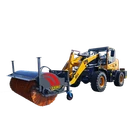

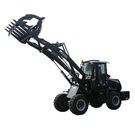

Hey there! I'm a supplier of medium wheel loaders, and I've seen firsthand how these powerful machines can transform construction sites, mines, and other heavy - duty workplaces. But with great power comes great responsibility, and operating a medium wheel loader safely is crucial. In this blog, I'll share some tips on how to do just that.
Pre - operation Checks
Before you even think about firing up that loader, you've got to do a thorough pre - operation check. It's like giving your car a once - over before a long road trip.
First off, take a look at the tires. Make sure they're properly inflated and there are no signs of damage like cuts or bulges. Under - inflated tires can affect the loader's stability and fuel efficiency, while damaged tires could lead to a blowout, which is extremely dangerous.
Next, check the fluid levels. This includes the engine oil, coolant, hydraulic fluid, and fuel. Low fluid levels can cause the engine or other components to overheat or malfunction. If you notice any leaks, don't ignore them. Leaking fluids can not only damage the machine but also create a slippery and hazardous working environment.
Inspect the brakes and steering system. Try the brakes a few times to make sure they're responsive. The steering should be smooth and easy to control. Any strange noises or resistance could indicate a problem that needs to be fixed right away.
Also, check the lights and signals. Good visibility is key, especially when you're working in low - light conditions or around other vehicles and workers. Make sure all the headlights, taillights, turn signals, and warning lights are working properly.
Operating the Loader
Once you've completed the pre - operation checks and are ready to start the loader, there are some important things to keep in mind while operating it.
When you're getting into the cab, use the handrails and steps properly. Don't rush or take shortcuts. A fall from the cab can result in serious injuries.
Sit in a comfortable position and adjust the seat, steering wheel, and mirrors so you have a clear view of your surroundings. Make sure your seatbelt is fastened at all times. It might seem like a hassle, but it can save your life in case of an accident.
When you start the engine, let it warm up for a few minutes. This allows the oil to circulate properly and lubricate all the moving parts. Don't rev the engine too hard during warm - up.
When you're moving the loader, start slowly. Avoid sudden starts and stops, as this can cause the load to shift and make the machine unstable. When turning, take it easy and make wide turns. A sharp turn with a heavy load can tip the loader over.
When loading materials, make sure the bucket is at the right height and angle. Don't overload the bucket. Overloading can put too much stress on the machine's components and increase the risk of tipping. And always keep the load as low as possible to maintain stability.
Working Environment
The working environment plays a big role in safe loader operation.
Be aware of your surroundings at all times. Look out for other workers, vehicles, and obstacles. Use your horn to signal your presence, especially when you're backing up or approaching blind spots.


If you're working on uneven ground, be extra careful. Uneven surfaces can make the loader unstable. Try to avoid driving over large rocks, holes, or other obstacles that could cause the machine to tilt or get stuck.
In wet or slippery conditions, reduce your speed and increase your following distance. Wet surfaces can reduce traction, making it harder to stop or turn the loader.
When you're working near power lines, make sure you know the height of the lines and keep a safe distance. Contact with power lines can be fatal.
Maintenance
Regular maintenance is essential for keeping your medium wheel loader in good working condition and ensuring safe operation.
Follow the manufacturer's maintenance schedule. This includes changing the oil and filters, checking the belts and hoses, and inspecting the machine's components. Regular maintenance can help prevent breakdowns and identify potential problems before they become serious.
Keep the loader clean. Dirt and debris can build up on the machine and cause damage to the components. Clean the radiator, air filter, and other parts regularly to ensure proper airflow and prevent overheating.
If you notice any problems with the loader, don't try to fix it yourself unless you're qualified. Call a professional mechanic to diagnose and repair the issue.
Our Medium Wheel Loaders
We offer a range of high - quality medium wheel loaders. For example, our 6 Ton 6 Cylinder Engine Wheel Loader is a powerful and reliable machine, perfect for heavy - duty tasks. It's equipped with a 6 - cylinder engine that provides plenty of power and torque.
Our 3 Ton 4W CE/EAC Wheel Loader is a great option for more light - to - medium - duty work. It's designed with safety and efficiency in mind, and it meets the CE and EAC standards.
And if you need a loader for medium - sized jobs, our 5 Ton Wheel Payloader is a solid choice. It has a well - balanced design and powerful performance.
If you're interested in any of our medium wheel loaders or have any questions about safe operation, don't hesitate to get in touch. We're here to help you make the right choice and ensure you can operate your loader safely and efficiently. Contact us to start a procurement discussion and find the perfect loader for your needs.
References
- Construction Equipment Operator's Manuals
- Occupational Safety and Health Administration (OSHA) Guidelines for Heavy Equipment Operation
- Industry Best Practices for Medium Wheel Loader Safety