


Hey there! As a supplier of compact wheel loaders, I know how crucial it is to keep the braking system in top - notch condition. A well - maintained braking system not only ensures the safety of the operator but also extends the lifespan of the machine. So, let's dive into how you can maintain the braking system of a compact wheel loader.
Regular Inspections
First off, regular inspections are a must. You should visually check the brake components every time you use the loader or at least once a week if it's used less frequently. Look for any signs of wear and tear on the brake pads. If they're getting thin, it's time to replace them. Worn - out brake pads won't provide the necessary friction to stop the loader effectively.
Inspect the brake lines too. Check for any leaks, cracks, or bulges. Even a small leak can lead to a significant loss of braking power. If you spot any issues with the brake lines, don't delay in getting them fixed. A damaged brake line can cause a sudden loss of hydraulic pressure, which is extremely dangerous.
Another important part to inspect is the brake calipers. Make sure they're moving freely. If the calipers are sticking, it can cause uneven braking and excessive wear on the brake pads. You can use a lubricant to ensure smooth movement of the caliper pistons.
Fluid Checks and Changes
The brake fluid is the lifeblood of the hydraulic braking system in a compact wheel loader. It transfers the force from the brake pedal to the brake components. You need to check the brake fluid level regularly. Most loaders have a reservoir with minimum and maximum markings. If the fluid level is below the minimum, add the recommended brake fluid.
But it's not just about the level. The quality of the brake fluid matters too. Over time, brake fluid can absorb moisture, which can lead to corrosion and reduced braking performance. You should change the brake fluid as per the manufacturer's recommendations. Usually, it's recommended to change the brake fluid every one to two years, depending on the usage of the loader.
When changing the brake fluid, make sure to bleed the brakes properly. This removes any air bubbles from the system. Air in the brake lines can cause a spongy brake pedal and reduce the effectiveness of the brakes.
Cleaning and Lubrication
Cleaning the braking system components is often overlooked but is very important. Dirt, dust, and debris can accumulate on the brake pads and rotors, which can affect their performance. You can use a brake cleaner to remove these contaminants. Make sure to follow the instructions on the cleaner and use it in a well - ventilated area.
Lubrication is also key. As mentioned earlier, lubricating the caliper pistons ensures smooth operation. You should also lubricate the brake pivot points. This helps in maintaining proper alignment and reduces wear and tear. Use a high - quality lubricant that's suitable for brake components.
Adjustment and Alignment
Proper adjustment of the brakes is essential for optimal performance. The brake pedal should have the right amount of travel. If the pedal is too soft or too hard, it might indicate a problem with the brake adjustment. You may need to adjust the brake linkage or the hydraulic system to get the right pedal feel.
Alignment of the brake components is also important. Misaligned brakes can cause uneven wear on the brake pads and rotors. If you notice that the loader pulls to one side when braking, it could be a sign of misaligned brakes. In such cases, it's best to have a professional mechanic check and adjust the alignment.


Operator Training
Last but not least, proper operator training plays a huge role in maintaining the braking system. Operators should be trained to use the brakes correctly. Abrupt and excessive braking can cause unnecessary wear on the brake components. Encourage operators to brake smoothly and anticipate stops in advance.
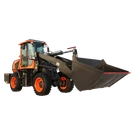
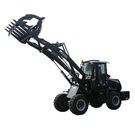
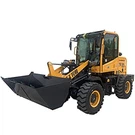
Now, if you're in the market for a compact wheel loader, we've got some great options. Check out our 2 Ton Compact Wheel Loader, which is a powerful and reliable machine. We also have the Compact Wheel Loader that offers excellent performance in various applications. And for those looking for a smaller option, our 1.2 Ton CE/EAC Wheel Loader is a great choice.
If you're interested in learning more about our products or have any questions regarding the maintenance of compact wheel loaders, feel free to reach out. We're here to help you make the right choice and keep your equipment in the best possible condition.
References
- "Compact Wheel Loader Maintenance Guide" - Manufacturer's Manual
- "Hydraulic Braking Systems: Principles and Maintenance" - Automotive Handbook