

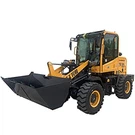
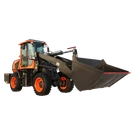


As a supplier of new wheel loaders, I understand the importance of safe operation. Wheel loaders are powerful and versatile machines used in various industries, such as construction, mining, and agriculture. Ensuring their safe operation not only protects the operator but also maximizes productivity and reduces the risk of costly accidents. In this blog, I'll share some essential tips on how to operate a new wheel loader safely.
Pre - operation Checks
Before starting the wheel loader, a thorough pre - operation check is crucial. First, visually inspect the machine. Check the tires for proper inflation and any signs of damage, such as cuts or bulges. Under - inflated tires can affect the loader's stability and handling, while damaged tires may lead to blowouts during operation.
Next, examine the hydraulic system. Look for any signs of leaks around the hoses, fittings, and cylinders. Hydraulic fluid is essential for the operation of the loader's lifting and tilting functions, and a leak can not only reduce performance but also pose a safety hazard.
Inspect the brakes and steering system. Test the brake pedals to ensure they are responsive and that the brakes engage properly. For the steering, turn the steering wheel to check for smooth movement and any unusual noises. A malfunction in the brakes or steering can lead to serious accidents.
Check the engine oil, coolant, and fuel levels. Low oil levels can cause engine damage, while insufficient coolant can lead to overheating. Ensure that there is enough fuel for the planned operation to avoid running out of fuel in the middle of a task.
Familiarize with the Controls
Every new wheel loader has its own set of controls, and it's essential for the operator to be familiar with them. Take the time to study the operator's manual, which provides detailed information about the functions of each control.
The joystick or levers are used to control the bucket's movement, including lifting, lowering, tilting forward, and tilting backward. Practice using these controls in an open and safe area to get a feel for the loader's responsiveness.
The accelerator and brake pedals work similarly to those in a vehicle. However, due to the loader's size and weight, the braking distance may be longer than expected. Understand how the pedals work and practice smooth acceleration and deceleration.


The transmission controls allow the operator to shift between forward and reverse gears. Make sure to shift gears smoothly to avoid sudden jerks, which can cause instability and potentially spill the load in the bucket.
Safe Loading and Unloading
When loading materials, approach the pile slowly and steadily. Align the bucket with the pile at a proper angle. Avoid ramming the bucket into the pile forcefully, as this can damage the bucket and the loader. Instead, use the hydraulic power to gradually dig into the pile.
Fill the bucket evenly to maintain the loader's balance. Overloading one side of the bucket can cause the loader to tip over. Once the bucket is filled, lift it slowly and steadily to a safe height before moving.
When unloading, position the loader carefully over the target area. Lower the bucket slowly and release the load in a controlled manner. Make sure to keep a safe distance from any people or objects in the unloading area.
Operating in Different Terrains
Wheel loaders are often used in various terrains, and the operating techniques may vary. On flat and stable ground, the loader can generally operate smoothly. However, when working on slopes, extra caution is required.
When going up a slope, keep the bucket in a lowered position to maintain the center of gravity. Use a low gear and avoid sudden acceleration or deceleration. When going down a slope, use the engine braking and avoid riding the brakes continuously, as this can cause overheating.
On soft or uneven ground, such as muddy or sandy areas, the loader may have reduced traction. Reduce the speed and avoid sharp turns, which can cause the loader to get stuck or lose control.
Visibility and Communication
Maintain good visibility at all times. Adjust the mirrors before starting the operation to ensure that you can see the rear and sides of the loader. When backing up, use the backup alarm and look over your shoulder to check for any obstacles or people.
If working in a team environment, establish clear communication with other workers. Use hand signals or two - way radios to coordinate movements. For example, if a worker is guiding the loader to a specific location, follow their instructions carefully.
Maintenance and Regular Inspections
Regular maintenance is key to the safe operation of a wheel loader. Follow the manufacturer's recommended maintenance schedule, which includes tasks such as oil changes, filter replacements, and lubrication.
Conduct daily inspections during breaks or at the end of the shift. Look for any new signs of wear and tear, such as loose bolts, worn - out parts, or new fluid leaks. Address any issues immediately to prevent them from escalating into more serious problems.
Our New Wheel Loader Offerings
At our company, we offer a range of high - quality new wheel loaders. For example, our 2.2 Ton Multifunctional Wheel Loader is a versatile machine suitable for various tasks. It combines power and efficiency, with advanced hydraulic systems for smooth operation.
Our 1 Ton Greenhouse Wheel Loader is specifically designed for use in greenhouses. It has a compact size and low - emission engine, making it ideal for working in confined spaces.
The 1.2 Ton CE/EAC Wheel Loader meets international standards and is suitable for a wide range of industries. It offers excellent performance and reliability.
Conclusion
Operating a new wheel loader safely requires a combination of proper pre - operation checks, familiarity with the controls, safe loading and unloading techniques, adapting to different terrains, maintaining visibility and communication, and regular maintenance. By following these guidelines, operators can ensure their safety and the efficient operation of the loader.
If you are interested in purchasing a new wheel loader or have any questions about our products, please feel free to contact us for further discussion. We are committed to providing you with the best wheel loader solutions and support.
References
- Manufacturer's Operator Manuals for Wheel Loaders
- Occupational Safety and Health Administration (OSHA) Guidelines for Construction Equipment Operation
- Industry Best Practices for Wheel Loader Operation